

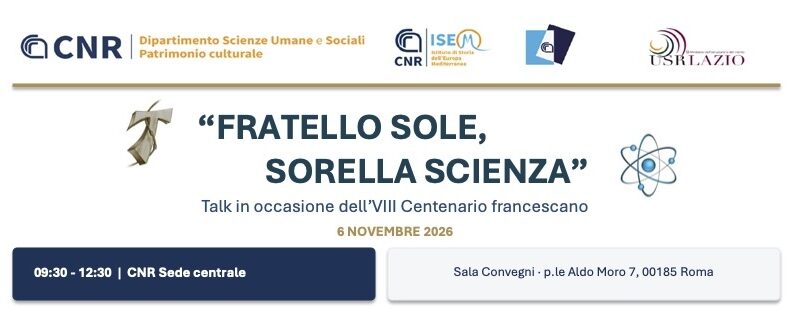
Sala Convegni sede centrale del CNR, Piazzale Aldo Moro 7, Roma

Opportunities are ubiquitous; institutions explain why they translate into development only in certain places.
S. Capasso
Economic development is not predetermined by geography; rather, it is a collective choice embedded within institutions, regulatory frameworks, and social trust.
Why do some societies successfully translate opportunities into development while others fail to do so? For over thirty years, this question has guided my research. The answer, almost invariably, lies in institutions, trust, and the quality of regulatory frameworks.
Since 2023, I have served as the Director of the Department of Social sciences and humanities, cultural heritage of the National Research Council (CNR): thirteen institutes, approximately nine hundred personnel, and the largest public research hub for the humanities and social sciences in Italy.
Three research questions
Why do certain societies successfully leverage opportunities for development, whereas others fail to transform them?
When do institutions cease to foster growth and begin to impede it?
Can the Mediterranean once again become an area of shared development?
Activities
All activities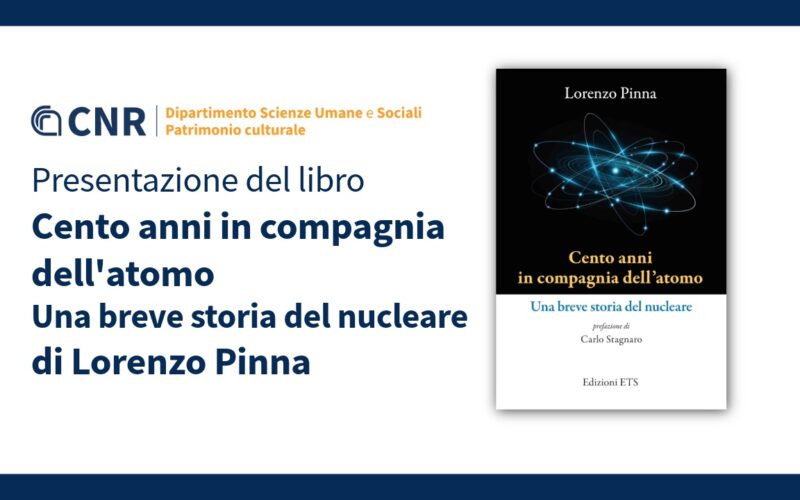
Sala lettura della Biblioteca Centrale "G. Marconi" del Cnr, Piazzale Aldo Moro 7, Roma
Cento anni in compagnia dell’atomo. Una breve storia del nucleare (on the source website, opens in a new tab)

Sala lettura della Biblioteca Centrale "G. Marconi" del Cnr, Piazzale Aldo Moro 7, Roma
L’AI Act e le nuove regole della trasparenza: obblighi, responsabilità e deontologia (on the source website, opens in a new tab)
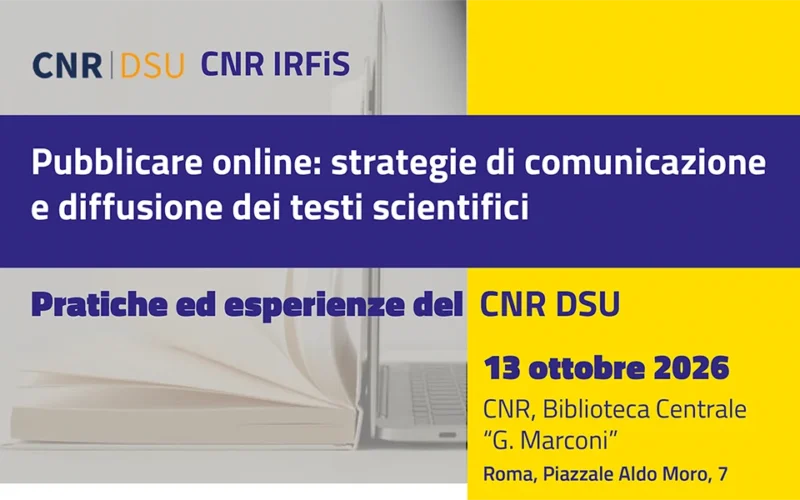
Biblioteca Centrale "G. Marconi" del Cnr, Piazzale Aldo Moro 7, Roma
Seminario “Pubblicare online: strategie di comunicazione e diffusione dei testi scientifici” – Pratiche ed esperienze del CNR DSU (on the source website, opens in a new tab)
Featured publications
Full listCover
Edited volume
Mediterranean Economies 2026. The Age of Interconnected Transitions
Il Mulino, in pubblicazione, 2026
a cura di S. Capasso e G. Canitano

Edited volume
Mediterranean Economies 2025. The Mediterranean as a Laboratory of Geoeconomics and Global Transformations (on the source website, opens in a new tab)
Il Mulino, 2025
a cura di S. Capasso e G. Canitano

Journal article
From financial development to informality: a causal link (on the source website, opens in a new tab)
Public Choice, vol. 203, pp. 539-572, 2025
con F. Ohnsorge, S. Yu

Journal article
School Productive Performance and Technology Gaps (on the source website, opens in a new tab)
Economic Modelling, vol. 131, 2024
con M. Kaisari, K. Kounetas, E. Lainas

Journal article
Cross-border Italian Sovereign Risk Transmission (on the source website, opens in a new tab)
Economic Modelling, vol. 126, 2023
con M. D'Uva, C. Fiorelli, O. Napolitano
-
The Nexus between Corruption and Academic Freedom (on the source website, opens in a new tab) Contemporary Economic Policy, vol. 41, 2023
-
Do Deep Regional Trade Agreements Strengthen Anti-Corruption? (on the source website, opens in a new tab) The World Economy, vol. 46, 2023
-
Il Mediterraneo come risorsa. Prospettive dall’Italia (on the source website, opens in a new tab) Il Mulino, 2020
-
Mediterranean Migration and the Labour Markets (on the source website, opens in a new tab) Routledge, 2019
-
Domestic or Foreign Currency? Remittances and the Composition of Deposits and Loans (on the source website, opens in a new tab) Journal of Economic Behavior & Organization, vol. 160, 2019
-
Active and Passive Corruption: Theory and Evidence (on the source website, opens in a new tab) European Journal of Political Economy, vol. 52, 2018
-
Financial Development and the Underground Economy (on the source website, opens in a new tab) Journal of Development Economics, vol. 111, 2013
-
Tax Evasion, the Underground Economy and Financial Development (on the source website, opens in a new tab) Journal of Economic Behavior & Organization, vol. 83, 2012
-
Threshold Effects of Corruption: Theory and Evidence (on the source website, opens in a new tab) World Development, vol. 36, 2008
-
Financial Markets, Development and Economic Growth: Tales of Informational Asymmetries (on the source website, opens in a new tab) Journal of Economic Surveys, vol. 18, 2004


Media
All appearances
Video
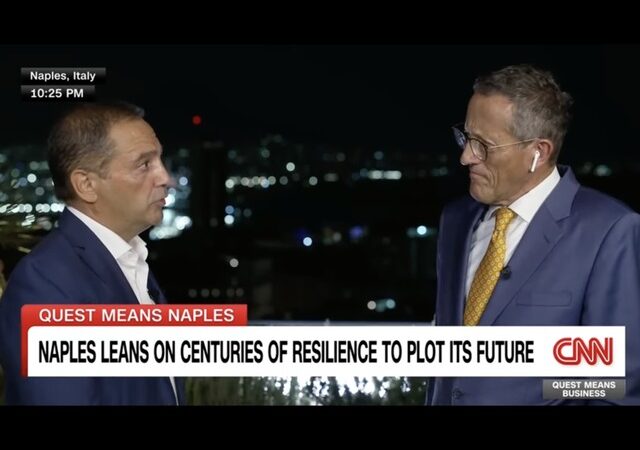
Video

Video

Video

For interviews, lectures, and scientific collaborations.
Contact me
Where to find me
Department of Social sciences and humanities, cultural heritageNational Research Council (CNR)
Piazzale Aldo Moro 7 — 00185 Rome